The buzz in our dev room was charged the day we chose to grant early access. LazyBar Casino has been crafted from the ground up with a bold spirit, and now I’m directly inviting a carefully selected group of UK players to step inside before anyone else. This isn’t a standard pre-launch newsletter; it’s a true beta testing program where your input will actively shape the finished experience. I’ve watched countless platforms launch with over-polished surfaces and no character, and I pledged myself LazyBar would never walk that path. We need real players who hunger for fast spins, live dealer tables that pull you in, and a platform that feels familiar the moment you log in. By participating in this unique program, you’ll get insider access to features still in their early form, and you’ll aid me improve everything from the slot algorithms to the loyalty rewards. I’m looking for passionate testers who aren’t afraid to give truthful, unfiltered feedback, because that’s the sole way we’ll build something unique. The atmosphere here is spreading, and I can’t wait to see the first wave of beta testers activate the servers with their engagement. If you’ve ever wanted to shape a casino’s core before it launches widely, this is your moment. Let me guide you through exactly what awaits, why we’re kicking off with the UK, and how you can secure your spot while places are still available.
What Specifically Is the LazyBar Casino Beta Program?
When I refer to beta program, I’m not discussing a polished demo where everything is already set in stone. I’m talking about a raw, living, breathing version of LazyBar Casino that I’m opening exclusively to a limited number of UK players. Think of it as a backstage pass to a show that hasn’t even been fully rehearsed yet. You’ll access an environment where some features might still carry a few rough edges, where new game releases appear overnight without warning, and where the loyalty system is being tweaked in real time based on how you interact with it. I created this program to be a collaborative experiment. Every spin, every blackjack hand, every deposit and withdrawal you make sends data back to our team, but more importantly, your direct feedback through our dedicated tester channels becomes the blueprint for what we build next. This is not a spectator role; you’re an active participant in the creation of a casino brand that aims to shake up the industry. I seek testers who will explore every corner, from the mobile responsiveness to the bonus mechanics, and tell me what feels brilliant and what feels broken. The beta environment runs on a fully functional, secure, and licensed framework, so your real-money gameplay is protected, but the experience is deliberately fluid. I’ve even hidden a few experimental mini-games that won’t survive to the public launch unless testers like you fall in love with them. That’s the kind of influence you’ll wield. It’s a rare, adrenaline-filled opportunity to be part of something from the very first line of code to the final polished product.
The reason we’re Specifically Targeting UK Players Initially

I receive this question a great deal, and the answer is rooted in two aspects of respect and strategy. The UK gambling market is amongst the most developed, tightly regulated, and discerning player bases on the planet. I’ve always admired how UK players expect transparency, fast payouts, and a direct approach to gaming, and that perfectly aligns with the LazyBar approach. By inviting UK players initially, I’m basically placing our platform through the strictest, most fair filter possible. If we can impress a knowledgeable UK audience that has seen every ploy in the book, we are confident we’re set for the global stage. There’s also a regulatory benefit; running under UK-facing standards from day one compels us to develop with compliance integrated into the core, not added on as an afterthought. I was looking for testers who understand the nuances of GamStop, who value responsible gambling features, and who anticipate a level of customer service that offers no excuses. Your understanding with local payment methods, including debit cards to popular e-wallets, helps us rigorously test the cashier in ways that generic testing never could. Beyond that, I love the energy of UK casino communities. The banter, the sharp eye for value, the willingness to point out anything subpar—it’s exactly the kind of relationship I want with our earliest adopters. This isn’t a transient regional gimmick; it’s a deliberate, respectful decision to enable the most demanding players in the world influence LazyBar Casino before we even contemplate about extending further. You’re not only a tester; you’re the quality gatekeeper for a brand that intends to earn its reputation the proper way, through real inspection and real accolades.
How to Get Your Place in the Private Testing Group
I’ve maintained the entry process straightforward and clear because I don’t wish barriers to stand between you and this experience. The first step is to access our specific beta landing page, which is running right now and accepting applications from UK residents. You’ll find a short registration form that requests basic details—name, email, and a quick confirmation that you’re over 18 and located in the UK. I’ve bypassed the long-winded questionnaires because I know that the right testers will reveal themselves through their activity, not through a form. Once you send, our system conducts a light verification to guarantee eligibility, and then you’ll get an instant invitation email with your unique tester credentials. That email contains a direct link to the beta environment, which is distinct from the public-facing site and operates under a dedicated subdomain. I advise bookmarking it immediately because it’s your portal to everything we’re building. Spots are firmly limited; I’m limiting the initial wave at a number that maintains the community intimate and guarantees every voice gets heard. If you’re reading this and experiencing that familiar spark of curiosity, I urge you to act now. I’ve observed early-access programs fill up within hours in other industries, and while I’ve kept a comfortable buffer, I can’t promise it will last. After you log in, spend some time to explore the tester dashboard, where you’ll locate your bonus balance, the feedback submission tool, and a live chat channel that links you directly with our development team. It’s a seamless, exciting process designed to get you from reading this article to spinning reels in under five minutes. I’m actively monitoring the inflow, and I am eager to see your name appear in the system.
Actual Rewards for Real Insights – What’s in It for You
I’ve already touched on the perks, but I want to dig deeper into the solid, rewarding rewards that make this program lucrative for you. Let’s start with the tester credit system. Every time you submit a organized feedback report that includes a specific description, a screenshot or screen recording, and a rating of the feature’s functioning, you earn credits that stack up quickly. I’ve set the conversion rate so that an regular tester who submits just a few detailed reports per week can gather enough credits to claim a sizeable monthly bonus, no deposit required. It’s like a side earning of free play that compensates your attention to detail. On top of that, I’ve added a bug bounty element. If you find a real technical glitch—something like a game locking up under specific conditions or a payment gateway timing out—and you’re the first to document it clearly, you’ll receive an instant cash prize added to your tester balance. I’m not talking about token amounts; I’ve earmarked a serious budget to bug bounties because catching these issues early saves us massive resources down the line. The monthly prize draw I brought up is also worth elaborating on. I’ve chosen prizes that align with the interests of a modern player: high-end smartphones, gaming laptops, premium headphones, and even fully funded weekend trips to top entertainment destinations. Every feedback submission counts as an chance, so your odds improve with every insightful report. Beyond the immediate rewards, there’s the long-term benefit of the loyalty tier carryover. When LazyBar launches publicly, your beta tier will be enhanced, meaning you’ll start with higher cashback rates, faster withdrawals, and a personal account manager from day one. That’s a enduring advantage that no amount of post-launch play can match. The rewards are intended to make you feel like a partner, not just a participant, and I’m confident they deliver on that guarantee.
The Response Cycle That Shapes the Future of LazyBar
I’ll be frank with you about how your feedback travels through our system, because knowing the loop makes your contribution seem more significant. When you send a report through the tester dashboard, it doesn’t disappear into a standard support queue. It ends up in a specialized channel that I personally review alongside our lead developer and UX designer each morning. We triage each piece of feedback into three categories: quick fixes, which we can implement within hours; deeper revisions that require a few days of engineering; and long-term strategic ideas that get attached to our roadmap. I’ve seen testers recommend a simple color adjustment to a button and then observe it go live by the afternoon, which creates a deeply rewarding sense of agency. For more complex suggestions, like reworking the bonus wagering structure or adding a new payment method, we open a direct dialogue with you in the tester chat. I’ll ask clarifying questions, share mockups, and sometimes even give you access to a staging environment to test the proposed changes before they launch to the wider beta group. This isn’t a one-way street; it’s a constant conversation. I also publish a weekly “Beta Pulse” update inside the tester dashboard that points out which changes were driven by community feedback and offers shoutouts to the testers who initiated them. Seeing your username credited for a feature that thousands of future players will enjoy is a special kind of thrill. The feedback loop is the engine of our entire development philosophy, and by joining, you turn into its most essential component. I’m not just collecting opinions; I’m building a casino with you, and that level of collaboration is what sets LazyBar apart from the faceless platforms that never hear.
The Advantages That Make This Beta Invite Hard to Refuse
I know that asking for your time and honest opinions deserves a serious reward structure, and I’ve created one that I take pride in. As a beta tester, you’ll receive a set of perks that surpasses a typical welcome bonus. To start, you’ll get an exclusive no-deposit bonus simply for activating your tester account, as I want you to explore without any upfront strain on your finances. That’s a sincere goodwill offering that enables you to plunge right into the slots and live dealer games. Then, every piece of structured feedback you submit through our portal earns you additional tester credits that convert directly into bonus funds or free spins. I’ve structured it so that the more you participate, the more benefits you release. Additionally, beta testers receive early access to each new game launch before it hits the public schedule. Imagine being the first person in the UK to spin a brand-new Megaways title or to sit at a live dealer table that hasn’t been announced anywhere else. You’ll also experience an enhanced cashback rate for the entire beta duration, which means even a tough session is considerably eased. I’ve also reserved a monthly prize lottery solely for testers, with prizes spanning from tech devices to high-end vacations, because I believe in celebrating the people who help build this platform. The loyalty status you gain during beta will persist and be improved at the official release, so you’ll start your public journey at a higher level than anyone else. These benefits are not merely promotional hype; they’re my method of demonstrating that I appreciate your input as much as any hired advisor. When you sign up, you’ll sense the distinction right away.
What You’ll Be Testing In the Background
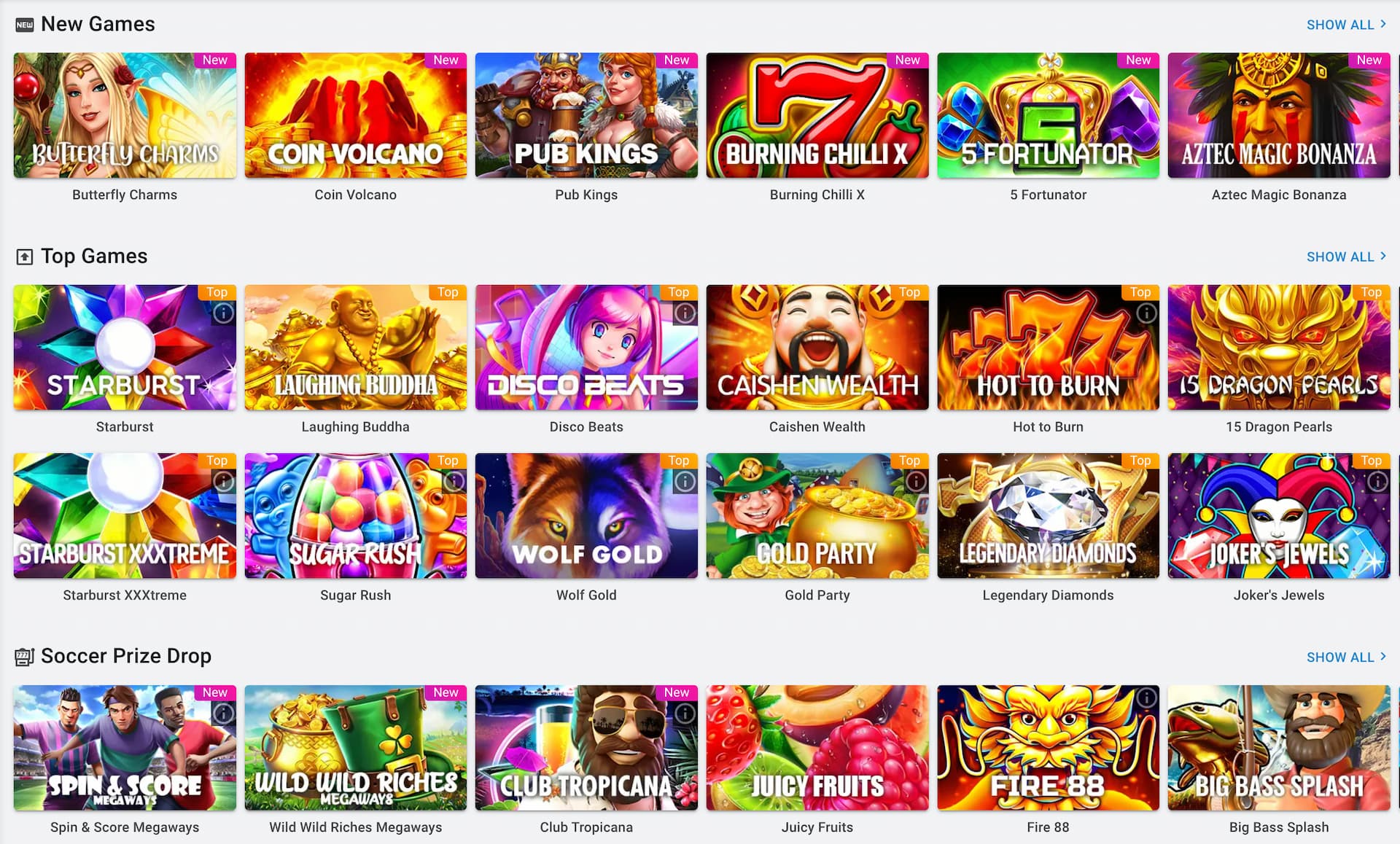
Once you’re inside, the range of what you’ll test is extensive, and I’ve organized it to ensure every session fresh. The heart of the journey centers on our slot collection, which I’ve stocked with a mix of established titles from top-tier providers and a few of special LazyBar games that you can’t find anywhere else. Your role is to spin them relentlessly and report on every element from load times and mobile responsiveness to the fairness of the bonus rate. I’m especially keen for feedback on the exclusive games because their math models are still being fine-tuned, and your real-world play data is the most important information I can obtain. Beyond slots, you’ll explore our live casino suite, evaluating the broadcast stability, dealer interaction quality, and the overall immersion of the blackjack tables, roulette tables, and baccarat tables tables. I’ve also integrated a sportsbook micro-module that’s in its initial phase, and I need testers to wager, browse the odds interface, and tell me whether the experience feels user-friendly or awkward. The payment system is another critical area; I expect you to perform small deposits and payouts using various methods, noting how fast funds land and whether any issues arise. Even the safe gambling tools, like deposit restrictions, playtime timers, and awareness checks, require your examination to ensure they function without a problem and truly assist. I’ve also included a few test social features, such as chat spaces and group challenges, that I’m uncertain about keeping. Your participation will determine their outcome. Every part you interact with is a part of the whole, and I’ve streamlined to submit feedback straight from the game screen, apnews.com so your opinions are recorded in the real time, not recollected later from memory. This is a full-spectrum, immersive testing experience that will give you the feeling like a real insider.
The Post-Beta Plan
I know that when you devote your time and energy into a beta program, you want to know what happens next, and I’m happy to reveal our timeline. The beta phase is scheduled to run for a short, focused period, during which we’ll adapt rapidly based on the feedback you share. I’ve set internal milestones that are bold but realistic, and I’ll share them openly inside the tester dashboard so you can track progress alongside me. Once we achieve a stability threshold where core systems run without a hitch, where the payment flow is smooth, and where the game library meets our quality bar, we’ll move into a soft launch phase. During soft launch, the beta environment will combine into the public platform, but beta testers will retain their exclusive access badges and continue to obtain early previews of new features. I see the beta group as a lasting consultant team that will keep guiding the product long after the public doors open. Your feedback won’t stop mattering; it will simply shift from foundational fixes to ongoing enhancements. After the full public launch, which I’m targeting for a date that I’ll share first to the beta community, LazyBar Casino will expand its marketing and attract players from additional regions. However, the UK will always remain our spiritual home and our benchmark for quality. I’m also planning a series of beta-tester-only events, both online and in-person, to commemorate the community that built this brand. Think of exclusive tournament weekends, meetups at major industry events, and even a potential annual tester summit. The roadmap is structured to honor your early commitment and to ensure that the bond we’re forming now continues to grow. You’re not just testing a product; you’re joining the founding circle of a casino that aims to be a major player for years to come. The journey from testing to full launch is a shared one, and I’m excited to walk it with you.
Popular Queries from Enthusiastic Testers

I’ve been handling questions continuously since the announcement dropped, so I want to address the most common ones straight away. First, many ask if the beta needs a deposit to get going. The answer is no; your initial exploration is supported by the no-deposit bonus I’ve loaded into every tester account, so you can start free and decide later if you want to add funds. Another frequent question is about device compatibility. The beta environment is fully responsive and works smoothly on desktop, tablet, and mobile, and I actually encourage testing across multiple devices to help us identify any layout inconsistencies. People also want to know if their data and funds are secure. Absolutely. The beta operates on the same SSL encryption and secure server infrastructure as our planned public launch, and all payment processing is handled by licensed, PCI-compliant gateways. Your safety is paramount, even in a testing phase. Some testers ask about the time commitment. There’s no minimum requirement; you can test as much or as little as you like, though the most active testers understandably earn the most rewards and have the biggest impact. I’m also asked whether feedback must be positive to count. I want to be crystal clear: I value critical, constructive feedback far more than empty praise. If something irritates you, tell me exactly why, and I’ll focus on it. Finally, many ask if they can refer friends. Referrals are not part of the initial beta wave, but I’m building a referral system for the public launch that will reward early testers who bring in new players. For now, the focus is on your individual experience and your direct line to our team. If you have a question I haven’t covered, the tester dashboard chat is always open, and I make a point of responding personally whenever I can. This is a transparent, human-first program, and no question is too small.
I’ve laid out the full vision honestly, with a true buzz that I trust you can experience through these words https://lazy-bar.eu.com/. The LazyBar Casino beta program is not just a testing phase; it’s a campaign to establish a platform that really pays attention, recognizes, and values the players who drive its growth. By welcoming UK players first, I’m putting my trust in the sharpest audience in the industry, and I’m prepared to be bound to the highest standard. The perks are real, the feedback loop is straightforward, and the roadmap beyond beta is crafted to maintain you at the center of everything we do. If you’re prepared to take on a role that merges entertainment with real influence, I urge you to reserve your spot now while the doors are accessible. Let’s create something remarkable together, one spin, one suggestion, and one breakthrough at a time.


![New Sweeps Casinos [Updated November 2026 ]](https://cdn.thegamedaycasino.com/wp-content/uploads/2023/03/07051333/20230302_NewSweepstakes.jpg)